Quick Answer
Inlays and onlays in Toronto, ON are custom, tooth-colored restorations that repair moderate decay or damage while preserving healthy tooth structure. At The Dentistry Place on Queen Street West, these conservative restorations suit teenagers finishing growth, busy adults protecting worn molars, and seniors who want to keep natural teeth for decades. Because they fit between a simple filling and a full crown, inlays and onlays protect your bite at every age.
A cracked molar rarely picks a convenient moment. For a 17-year-old, it might follow years of grinding during exams. For a 45-year-old, it often traces back to an old filling that finally gave out. For a 70-year-old, it may be the last stressed cusp on a well-used tooth. Inlays and onlays in Toronto, ON answer all three situations with one elegant idea: repair exactly what is broken, and keep the rest of the tooth intact. Furthermore, this age-aware approach is how The Dentistry Place plans restorative care that lasts.
What Are Inlays and Onlays, and Who Needs Them?
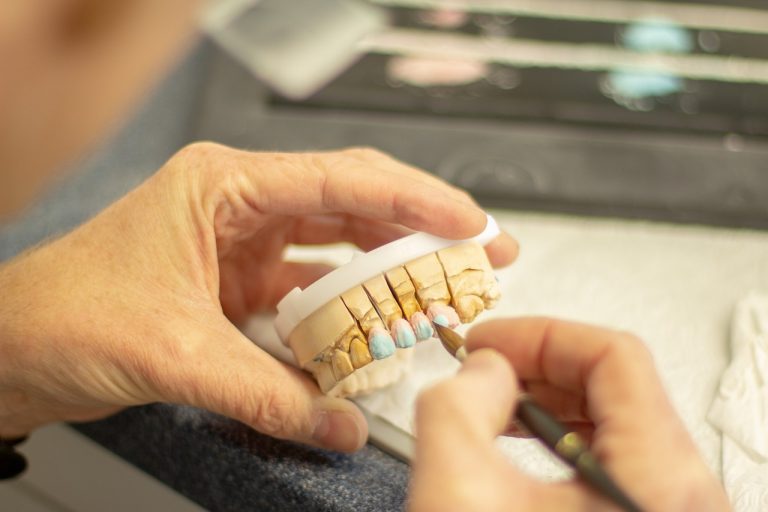
Inlays and onlays are lab-crafted restorations bonded onto a back tooth when decay is too large for a filling but too limited for a crown. Specifically, an inlay sits within the grooves of the tooth, while an onlay also covers one or more cusps. Consequently, your dentist removes less healthy enamel than a crown would require. This conservative philosophy matters at every stage of life, because natural tooth structure can never be replaced once it is lost.
According to the Ontario Dental Association, partial-coverage restorations are a common way to rebuild teeth damaged by decay or fracture. Additionally, modern ceramic materials now blend almost invisibly with surrounding enamel, so the repair stays discreet whether you are 16 or 86.
How Inlays and Onlays Compare to Other Restorations
Think of restorative options as a ladder. First, a filling handles small cavities. Next, an inlay or onlay manages moderate damage. Finally, a crown or bridge rebuilds a tooth that has lost most of its strength. Because inlays and onlays sit in that middle rung, they often spare a tooth from needing more aggressive treatment later. However, when decay reaches the nerve, your dentist may discuss root canal therapy before placing the restoration.
Inlays and Onlays Through the Decades
The same restoration serves different purposes depending on your age. Therefore, our dentists tailor the recommendation to where you are in life.
Teens and Young Adults: Protecting Developing Molars
Permanent molars take a beating once they erupt. Specifically, deep grooves trap food, and early grinding can chip enamel. When a filling would be too large to stay stable, an onlay reinforces the biting surface without grinding the tooth into a stub. Consequently, young patients keep more of their own enamel for the decades ahead. Moreover, a bonded ceramic onlay resists the high chewing forces that active teenagers generate.
Adults: Replacing Failing Fillings and Worn Cusps
Many adults carry large silver fillings placed years ago. Over time, those fillings expand, contract, and leave microscopic cracks. An onlay can replace a crumbling filling and wrap a weakened cusp in one restoration. A systematic review in the Journal of Conservative Dentistry evaluated ceramic and resin inlays, onlays, and overlays, confirming that these tooth-colored, partial-coverage restorations are increasingly indicated as adhesive technology improves. Additionally, because the fit is precise, adults often find the tooth feels naturally solid again.
Seniors: Keeping Natural Teeth Longer
For older adults, every preserved tooth supports a stable bite and easier eating. Inlays and onlays let seniors avoid extraction in many cases, which protects the jawbone and surrounding teeth. However, when a tooth truly cannot be saved, our team reviews options like dental implants. The goal stays the same at any age: the most conservative solution that genuinely works. Furthermore, good periodontal health helps these restorations last, since healthy gums support the tooth beneath.
How the Procedure Works at The Dentistry Place
Treatment usually takes two visits, though the process feels straightforward. First, your dentist removes the decay and takes a precise impression of the prepared tooth. According to research in BMC Oral Health, intraoral scanners now capture direct optical impressions and can match the accuracy of conventional methods for many cases. Consequently, the lab builds a restoration that fits snugly. At the second visit, your dentist bonds the ceramic inlay or onlay into place and checks your bite carefully.
Comfort matters throughout. For example, patients at our Queen Street West office can watch Netflix in the operatory while the appointment proceeds. Additionally, The Dentistry Place accepts the Canadian Dental Care Plan, so more Toronto families can access restorative care. You can review your coverage and book an appointment whenever questions arise.
Caring for Your Restoration
Good habits keep inlays and onlays working for years. Specifically, brush twice daily, floss around the restored tooth, and attend regular checkups. The Canadian Dental Association recommends routine dental visits to catch problems early, before they threaten the restoration. Moreover, if you grind your teeth, a night guard protects both your natural enamel and your new ceramic surface. Consequently, simple maintenance extends the life of every restoration, regardless of your age.
Frequently Asked Questions
How long do inlays and onlays last?
With good oral hygiene and regular checkups, modern ceramic inlays and onlays can last many years. Additionally, their longevity depends on your bite, grinding habits, and gum health.
Are inlays and onlays suitable for children?
They are generally used on permanent molars rather than baby teeth. Therefore, teenagers with fully erupted adult molars are often better candidates than young children.
Do inlays and onlays look natural?
Yes. Specifically, tooth-colored ceramic is matched to your surrounding enamel, so the restoration blends in and stays discreet at any age.
Is the procedure painful?
The tooth is numbed during preparation, so most patients feel little discomfort. Furthermore, you can relax with Netflix during treatment at our Toronto office.
Book Your Restorative Consultation in Toronto
Whether you are guiding a teenager’s developing smile or protecting decades of dental work, inlays and onlays offer a conservative, durable repair. The Dentistry Place at 1033 Queen Street West welcomes patients of every age. Explore our full range of restorative dentistry options and contact our team to find the right fit for your smile.
Sources & References
- Ontario Dental Association, “Common Dental Procedures”
- Canadian Dental Association, “Regular Dental Checkups”
- Comparative evaluation of clinical performance of ceramic and resin inlays, onlays, and overlays (J Conserv Dent, 2022)
- Intraoral scanners in dentistry: a review of the current literature (BMC Oral Health, 2017)