Quick Answer
Preparing for wisdom teeth removal in Toronto, ON means understanding the real procedure rather than the scary stories. Most extractions are routine, well-managed with local anesthetic, and followed by a short recovery of a few days. At The Dentistry Place on Queen Street West, a careful exam and clear aftercare plan take the guesswork out of the process.
Few dental topics attract more rumours than wisdom teeth. Patients arrive convinced that every third molar must come out, that recovery is agonizing, or that they can simply ignore the ache and hope it passes. The truth about wisdom teeth removal in Toronto, ON is far calmer and far more practical. Below, we tackle the questions people actually ask and bust the myths that cause needless worry.
Do You Really Need Your Wisdom Teeth Removed?
Not always. Some wisdom teeth erupt fully, sit in healthy alignment, and cause no trouble at all. However, many do not have enough room in the jaw, so they become impacted, tilted, or only partially visible. Consequently, they trap food, invite decay, and strain neighbouring molars.
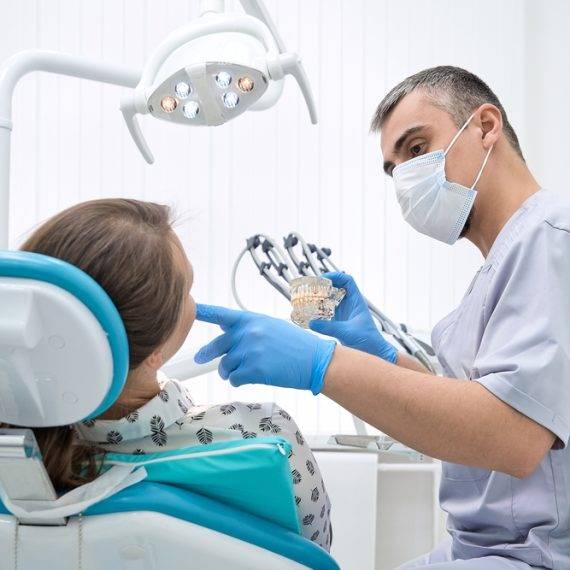
The only reliable way to know your situation is a clinical exam with X-rays. During your visit, we assess the angle, depth, and position of each tooth. Specifically, we look for signs of crowding, infection, or pressure on adjacent teeth before recommending anything.
Myth: “Everyone must remove all four.”
This is simply untrue. Removal depends on your individual anatomy, not a universal rule. Furthermore, some patients keep their wisdom teeth for life with no complications. Others need only one or two extracted, and we plan accordingly.
What Happens During Wisdom Teeth Removal in Toronto, ON?
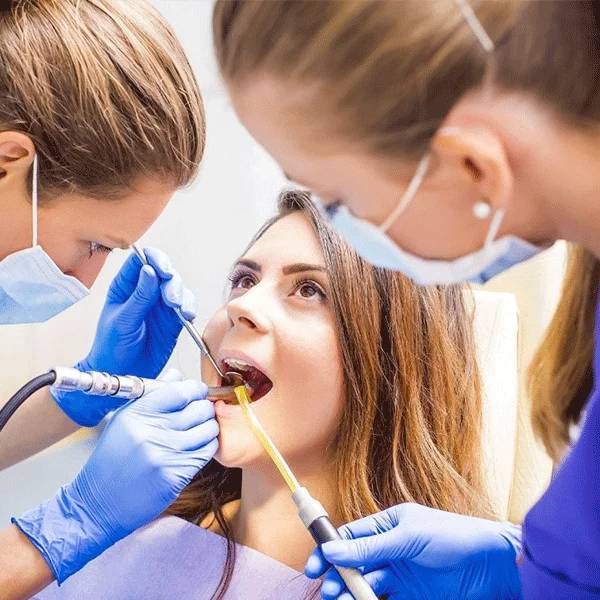
The procedure is more straightforward than most people expect. First, we numb the area thoroughly with local anesthetic, so you feel pressure but not pain. Next, we gently loosen the tooth and remove it, sometimes in sections for impacted cases. Afterward, we place gauze and give you detailed recovery instructions.
Because comfort matters, our operatories are equipped with Netflix to help you relax during treatment. Additionally, our team explains each step before it happens, which eases anxiety significantly. Tooth extractions and oral surgery, including wisdom teeth removal, are core parts of the care we provide, and you can review the full list on our services page.
Myth: “Removal is unbearably painful.”
Modern anesthesia and technique make the procedure comfortable. Most discomfort appears afterward, and it is usually mild to moderate. Moreover, it responds well to prescribed or over-the-counter pain relief. According to the Canadian Dental Association, following your dentist’s post-operative guidance is the single best way to keep recovery smooth.
How Long Is Recovery, and What Should You Expect?
Recovery is shorter than the myths suggest. Generally, the first two to three days involve some swelling and tenderness. However, most people return to normal routines within a week. Specifically, expect these practical steps during healing:
- Rest for the first 24 hours and avoid strenuous activity.
- Apply cold compresses to reduce swelling early on.
- Stick to soft foods like yogurt, soup, and smoothies.
- Avoid straws, smoking, and vigorous rinsing, which can dislodge the clot.
That last point matters most. A dislodged clot can lead to a painful condition called dry socket. Consequently, gentle care in the first few days protects your healing and keeps you comfortable.
Myth: “You have to live on ice cream for a week.”
Soft foods help, but a full week of dessert is unnecessary and unhelpful. Additionally, very cold or sugary foods can irritate the site for some patients. Instead, focus on nourishing, easy-to-chew options and plenty of water.
Busting Persistent Wisdom Tooth Myths
Several stubborn myths deserve a clear correction. For instance, some believe wisdom teeth removal changes your face shape or bite permanently. In reality, extraction relieves crowding pressure without altering your appearance. Furthermore, others assume painless wisdom teeth never cause problems, yet decay and gum inflammation can develop silently.
Good oral hygiene, regular dental exams, and honest conversations with your dentist protect your periodontal health far better than internet rumours. Based on guidance from the Ontario Dental Association, routine check-ups help catch developing issues before they become emergencies.
When Should You Book an Assessment?
Book sooner rather than later if you notice specific warning signs. These include persistent aching at the back of the jaw, swollen or bleeding gums near emerging molars, or a bad taste that lingers. Additionally, pressure headaches and difficulty opening your mouth warrant prompt attention.
Early evaluation gives you more options and a calmer timeline. Rather than waiting for a painful flare-up, a planned assessment lets us monitor or treat wisdom teeth on your schedule. When you are ready, you can reach our team through our contact page or use convenient online booking.
Frequently Asked Questions
Does everyone need their wisdom teeth removed?
No. Removal depends on your jaw space, tooth position, and oral health. Some patients keep healthy, well-aligned wisdom teeth for life, while others need extraction to prevent crowding or infection.
Is wisdom teeth removal painful?
The procedure itself is comfortable thanks to local anesthetic. Afterward, mild to moderate soreness is normal, and it typically responds well to recommended pain relief and cold compresses.
How long does recovery take after wisdom teeth removal in Toronto, ON?
Most people feel noticeably better within three days and resume normal routines within a week. Following your aftercare instructions closely speeds healing and prevents complications like dry socket.
What foods should I eat while healing?
Choose soft, nourishing foods such as soup, yogurt, mashed vegetables, and smoothies. Additionally, avoid straws, smoking, and hard or crunchy foods until the site has healed.
Ready for Clear, Comfortable Answers?
Wisdom teeth do not have to be a source of dread. At The Dentistry Place, located at 1033 Queen Street West in Toronto, we combine careful assessment with genuine comfort, from clear explanations to Netflix in every operatory. Furthermore, we accept the Canadian Dental Care Plan (CDCP) to keep care accessible. Book your consultation today and get straight answers about your wisdom teeth.
Sources & References
- Canadian Dental Association (CDA) — Oral Health Resources
- Ontario Dental Association (ODA) — Patient Information