Quick Answer
Recognizing early gum disease signs starts with noticing bleeding gums, persistent bad breath, redness, and mild swelling around the gumline. At The Dentistry Place on Queen Street West in Toronto, ON, gentle digital diagnostics and comfort-focused care catch gingivitis before it advances. Early scaling and root planing can reverse the damage and protect your smile.
A little pink in the sink after brushing rarely feels alarming, yet it is often the first whisper of trouble. Recognizing early gum disease signs matters because gingivitis is quietly reversible, while advanced periodontitis is not. Fortunately, modern technology and a calm, anxiety-free approach make spotting these clues easier than ever at The Dentistry Place in Toronto, ON. Consequently, the earlier we look, the more of your natural smile we can preserve.
What Are the Earliest Signs of Gum Disease?
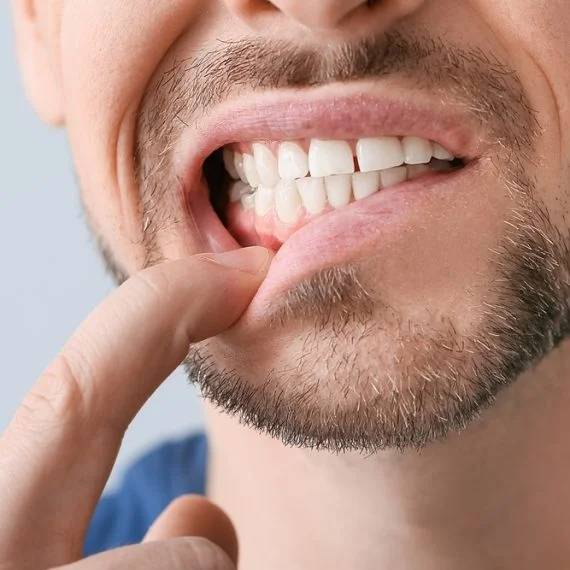
The earliest signs include gums that bleed during brushing or flossing, tenderness, redness, and puffiness along the gumline. Additionally, persistent bad breath and a receding appearance can signal that bacteria have settled beneath the gums. However, these symptoms are often painless, which is precisely why they slip past so many patients.
According to the Canadian Dental Association, healthy gums should feel firm and appear pale pink rather than dark red. Furthermore, they should not bleed under normal brushing. When you notice a change, treat it as useful information rather than a reason for worry.
Subtle Clues Most People Miss
Sometimes the warning signs are surprisingly quiet. For instance, a slightly metallic taste, teeth that suddenly feel longer, or floss that catches at the gumline can all point to early inflammation. Moreover, gums that look shiny or feel spongy often indicate trapped plaque. Because these changes develop gradually, a professional eye frequently spots them first.
How Modern Technology Detects Gum Disease Early
Advanced diagnostics let us find problems long before they become painful. Specifically, digital imaging, intraoral cameras, and precise periodontal probing reveal pocket depths and bone changes with remarkable accuracy. Consequently, we can measure inflammation objectively instead of guessing. This precision transforms recognizing early gum disease signs from a hopeful glance into a measurable science.
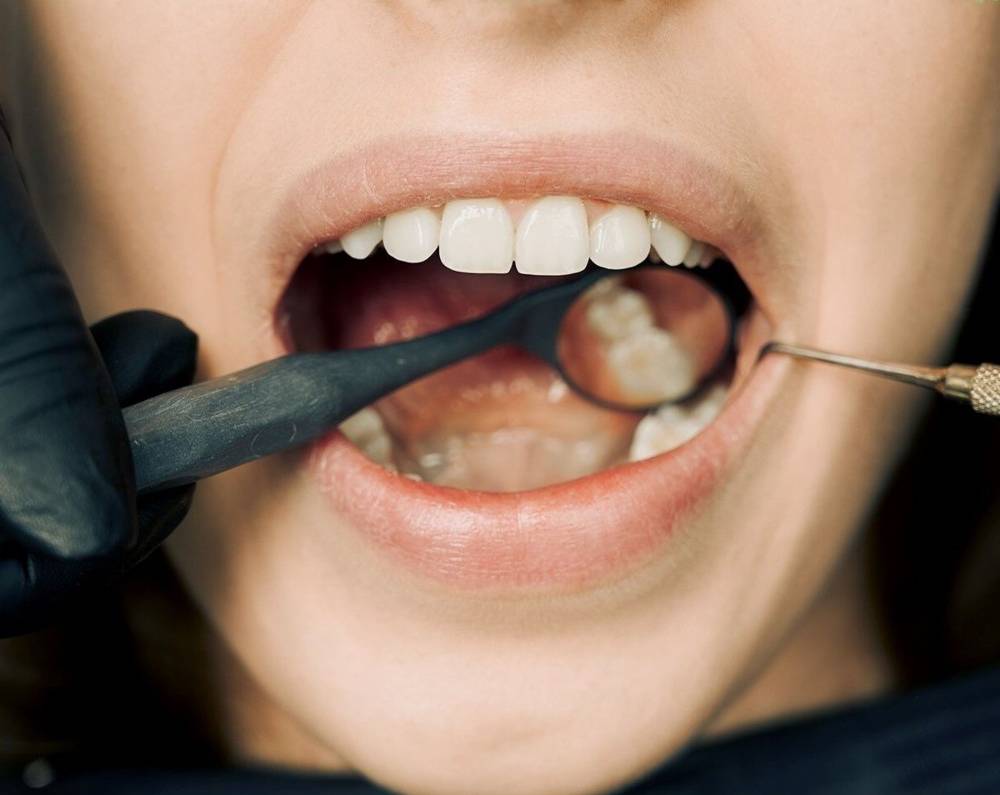
At our Toronto practice, comfort and clarity work together. During periodontal charting, our team maps the tiny spaces between your teeth and gums to track changes over time. Additionally, high-resolution images let you see exactly what we see on screen. As a result, you become an informed partner in your own periodontal health rather than a passive observer.
Comfort-Driven, Anxiety-Free Care
Dental anxiety keeps many people away until problems grow serious, so we designed the experience to feel calm. For example, you can stream Netflix in each operatory during treatment, which helps time pass gently. Furthermore, our clinicians explain every step before it happens, so nothing feels sudden. Because relaxed patients return more often, this approach directly supports earlier detection.
Treating Early Gum Disease Before It Advances
When gingivitis is caught early, treatment is straightforward and highly effective. Typically, we begin with scaling and root planing, a deep cleaning that removes plaque and tartar from beneath the gumline. Subsequently, smoothing the root surfaces helps the gums reattach and heal. In most early cases, this alone can reverse the inflammation.
The Royal College of Dental Surgeons of Ontario emphasizes consistent professional cleanings alongside daily home care. Therefore, we pair in-office treatment with practical coaching on brushing angles, flossing technique, and interdental brushes. Additionally, we schedule follow-up visits to confirm the tissue is responding. Should the condition prove more advanced, our team also provides comprehensive gum disease treatment tailored to your needs.
Why Prevention Protects More Than Your Gums
Periodontal health influences far more than your mouth. Specifically, untreated gum inflammation has been linked to cardiovascular concerns and complications with diabetes. Consequently, protecting your gums supports your overall wellbeing. Regular check-ups, thorough cleanings, and attentive oral hygiene form a genuine safeguard for the whole body.
Frequently Asked Questions
Can early gum disease be reversed?
Yes. Gingivitis, the earliest stage, is usually reversible with professional cleaning and improved home care. However, once it progresses to periodontitis, treatment aims to control the condition rather than cure it. Therefore, early action matters enormously.
Is bleeding when I brush always a sign of gum disease?
Frequently, yes. Healthy gums rarely bleed during gentle brushing or flossing. However, aggressive technique or a new floss routine can also cause temporary bleeding. If it persists beyond a week, book an assessment.
Does treating gum disease hurt?
Generally, no. Scaling and root planing is performed with local anesthetic and gentle techniques for comfort. Additionally, our Netflix-equipped operatories help anxious patients relax throughout the visit.
How often should I have my gums checked?
Most patients benefit from a professional check-up and cleaning every six months. However, those with a history of gum issues may need more frequent visits. Your dentist will recommend a schedule based on your risk.
Take the Next Step Toward Healthier Gums
Recognizing early gum disease signs is easiest with a comfortable, technology-driven check-up you actually look forward to. If you have noticed bleeding, redness, or lingering bad breath, do not wait for it to worsen. Contact The Dentistry Place in Toronto today to book your assessment, and let our team help you protect your smile with calm, modern, personalized care.
Sources & References
- Canadian Dental Association (CDA) — Gum Diseases: cda-adc.ca
- Royal College of Dental Surgeons of Ontario (RCDSO): rcdso.org