
Quick Answer: If your child loses a baby tooth too early from a fall, decay or an extraction, they may need a space maintainer. This small appliance keeps the gap open until the permanent tooth arrives. Whether your child needs one depends on which tooth was lost, your child’s age and how far along the adult tooth is. A dental exam with imaging answers that question.
A tumble off the monkey bars, a slip on an icy sidewalk in January, or a baby molar that decay damaged beyond repair: losing a baby tooth early is more common than most parents expect. The next question usually comes quickly. Will the gap cause problems, and does my child need something to hold the space? At The Dentistry Place on Queen Street West, families often ask us about space maintainers in Toronto after this kind of surprise. This guide explains when they help, when they are not needed, and what the process actually involves.
Does Every Child Who Loses a Baby Tooth Early Need a Space Maintainer?
No, not every child needs one. However, many children who lose a back baby tooth (a primary molar) well before its natural time will benefit from one.
Baby teeth do more than help kids chew. Specifically, each one holds a place for the permanent tooth growing underneath it. When a baby tooth comes out too soon, the neighbouring teeth can tilt or drift into the empty space. Consequently, the adult tooth may have too little room when it finally tries to erupt.
A review in the Journal of the California Dental Association notes that premature loss of primary teeth can lead to a loss of arch length. In turn, this can affect bite and alignment and often increases the need for orthodontic treatment later. The same review explains that space maintainers can reduce the severity of crowding, ectopic eruption, tooth impaction and poor molar relationships.
Factors your dentist will weigh
Several details shape the recommendation. For example, the dentist will consider:
- Which tooth was lost. Losing a back molar usually matters more than losing a front tooth, because molars hold the length of the dental arch.
- Your child’s age. A five-year-old who loses a molar faces a longer wait than a ten-year-old whose adult tooth is nearly ready.
- The permanent tooth’s position. X-rays show whether the adult tooth is present and how close it sits to the gum.
- Existing crowding. Some mouths have spare room, while others have none to lose.
In contrast, an early loss of a front baby tooth often does not cause the same drifting. Even so, every case is different, so an exam is the only reliable way to know.
How Space Maintainers Work After Tooth Loss
A space maintainer is a small custom appliance, usually made of metal, that physically holds the gap open. It stays in place until the permanent tooth begins to come through. After that, the dentist removes it.
According to a clinical guide published in the British Dental Journal, space maintainers help prevent undesirable tooth movements and the resulting loss of arch length when primary teeth are lost prematurely. The guide also describes how different designs suit different clinical situations.
Common types of space maintainers
Your dentist chooses the design based on where the gap sits and how many teeth are missing. Common options include:
- Band and loop: a metal band around a neighbouring tooth with a wire loop that spans the gap. This design suits a single missing molar.
- Crown and loop: similar to a band and loop, but attached to a crown. Dentists often use it when the anchor tooth also needs restoring.
- Lingual arch: a wire that runs along the inside of the lower teeth. It helps when teeth are missing on both sides.
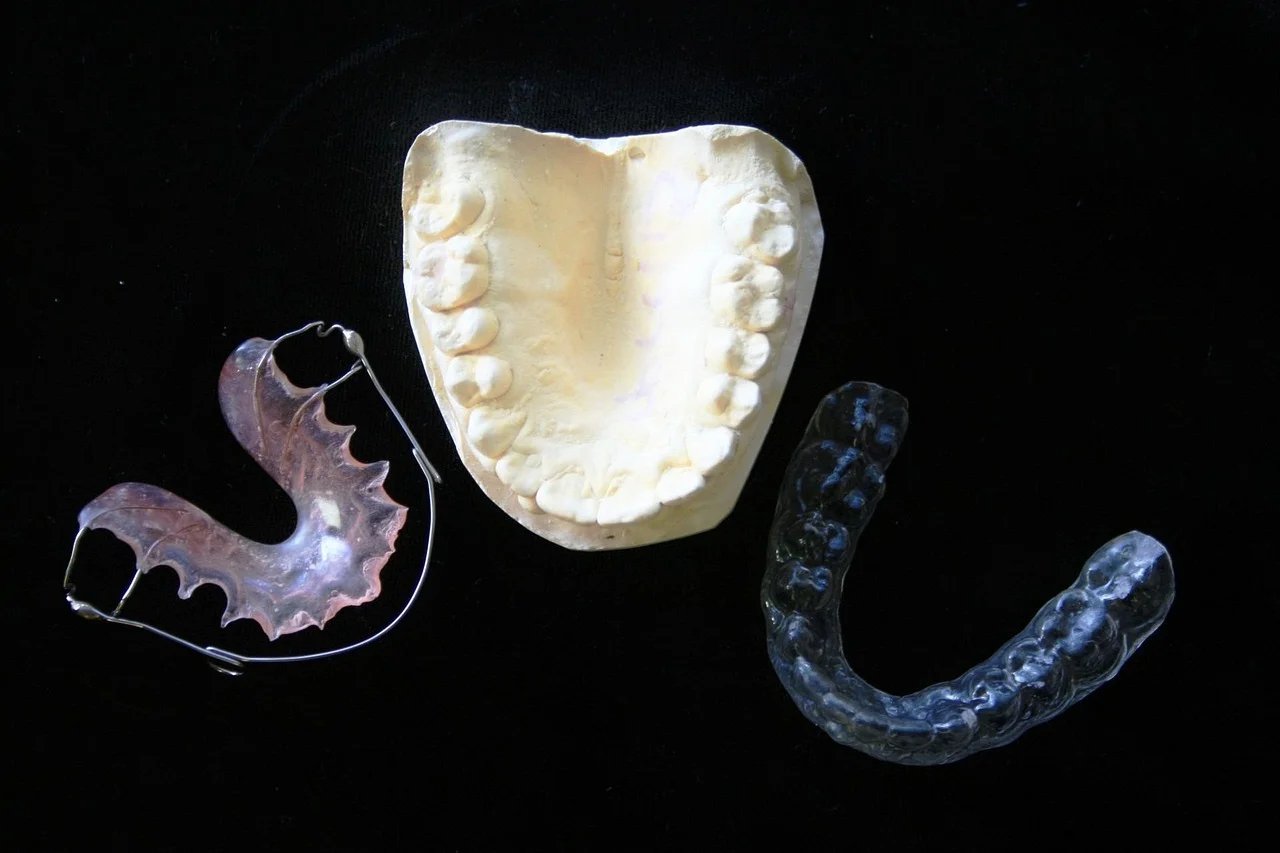
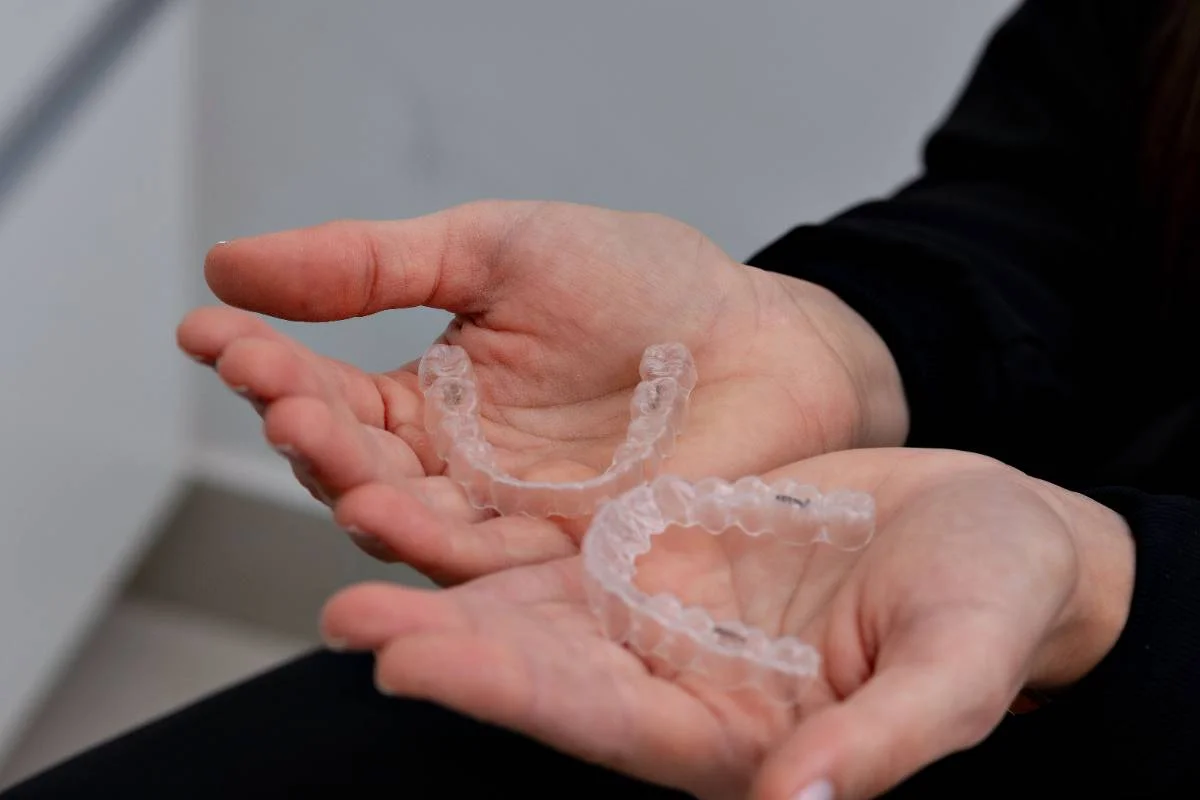
- Removable maintainers: appliances that resemble a retainer and can sometimes replace several teeth.
You can read more about the options we provide on our space maintainers service page.
Why Timing Matters for Toronto Families
The best time to talk about a space maintainer is soon after the tooth is lost. Teeth can begin shifting fairly quickly, so waiting months for the next routine check-up can cost valuable room.
Toronto’s calendar gives parents a few natural moments to watch for. For instance, the start of the school year in September often brings a busy schedule of recess, gym class and after-school sports. Then, winter sidewalks and outdoor rinks raise the odds of slips and falls. Additionally, spring and summer mean bikes, scooters and playgrounds across the city. Any of these can lead to a knocked-out or broken baby tooth.
Decay is the other common cause. The Canadian Dental Association explains how early childhood tooth decay develops and how parents can help prevent it. When a baby molar becomes too damaged to save, a tooth extraction may be necessary. In that case, planning for a space maintainer at the same time keeps things simple.
What to do right after an injury
First, stay calm and check your child for other injuries. Next, rinse their mouth gently with water and apply light pressure to any bleeding. Unlike adult teeth, a knocked-out baby tooth is generally not put back in its socket. Finally, call your dental office promptly so the dentist can examine the area and check the teeth nearby.
What to Expect When Your Child Gets a Space Maintainer
Getting a fixed space maintainer usually takes two short visits and involves no drilling of healthy teeth. Most children adapt within a few days.
At the first visit, the dentist examines the area and may take X-rays. If a maintainer makes sense, the team fits a band or takes an impression. A lab then makes the appliance to fit your child’s mouth. At the second visit, the dentist cements it in place and checks the fit.
Moreover, comfort counts with young patients. Each operatory at The Dentistry Place has Netflix, which helps many kids relax during the appointment. Parents can also use our online booking system to find a time that works around school.
Caring for a space maintainer at home
Good oral hygiene matters even more with an appliance in place. Therefore, help your child brush carefully around the bands and wires twice a day. In addition, avoid sticky candy, toffee and very hard foods that can loosen the appliance. Also discourage pushing or pulling on it with fingers or the tongue. If the maintainer feels loose or breaks, call us rather than waiting for the next visit.
Regular check-ups let the dentist confirm the appliance is still doing its job. Eventually, once the adult tooth starts to erupt, the dentist removes the maintainer in a quick, simple visit.
Space Maintainers in Toronto and the Canadian Dental Care Plan
The Dentistry Place accepts the Canadian Dental Care Plan (CDCP). As a result, many eligible families can access care for their children with less financial stress. Coverage details vary, so our front desk team can help you understand what applies to your child before treatment begins.
A space maintainer can also save money over time. Keeping the gap open now may reduce the complexity of orthodontic treatment later, as the research above suggests.
Frequently Asked Questions
How soon after my child loses a tooth should we see a dentist?
Book an exam as soon as you reasonably can. Neighbouring teeth can start to drift, so an early assessment gives your child the best chance of keeping the space.
Does getting a space maintainer hurt?
Generally, no. Fitting a fixed maintainer does not involve drilling healthy teeth. Some children feel mild pressure or notice the appliance with their tongue for a few days.
How long will my child wear a space maintainer?
It depends on when the permanent tooth is expected to arrive. Some children wear one for several months, while others wear one for a few years. Your dentist monitors it at each check-up.
What if my child lost a front baby tooth?
Front teeth often do not need a space maintainer, because the surrounding teeth tend to shift less. Nevertheless, an exam confirms whether the adult tooth is developing normally.
Book a Visit With Our Toronto Dental Team
If your child has lost a baby tooth early, a quick exam can tell you whether a space maintainer is the right call. Our dental team at 1033 Queen Street West welcomes families from across Toronto, and we’re happy to walk you through every option. Contact The Dentistry Place to book your child’s appointment today.
Sources & References
- Management of premature primary tooth loss in the child patient (J Calif Dent Assoc, 2013)
- Space maintainers in the primary and mixed dentition: a clinical guide (Br Dent J, 2018)
- Canadian Dental Association: Early Childhood Tooth Decay