Quick Answer: There are two main types of orthodontic retainers. Fixed (bonded) retainers are thin wires glued behind your front teeth, and removable retainers include clear plastic and Hawley (wire and acrylic) styles. The best choice depends on your relapse risk, your habits and how reliably you will wear it. Many patients do well with a combination, which your dentist can plan with you.
You finished your braces or clear aligners, and your smile finally looks the way you hoped. Now comes a quieter question that matters just as much: which retainer will keep it that way? At The Dentistry Place on Queen Street West, we help Toronto patients choose between fixed vs removable retainers every week. This guide explains each option in plain language, so you can walk into your appointment ready to decide.
Why Do You Need a Retainer at All?
You need a retainer because teeth naturally try to drift back toward their old positions. Dentists call this relapse. The fibres around each tooth stay stretched for months after treatment, and they pull gently but steadily.
According to a 2023 Cochrane systematic review, teeth tend to return to their initial position without a retention phase. The same review notes that retention uses fixed or removable retainers, and that removable ones can be worn full time or part time. In other words, the retainer is not an optional extra. Instead, it is the final stage of orthodontic care.
The Canadian Dental Association also describes retainers as a standard part of orthodontic treatment. Consequently, every patient leaving braces or aligners should have a clear retention plan.
Fixed Retainers: The “Set It and Forget It” Option
A fixed retainer is a thin wire bonded to the back surfaces of your front teeth. It usually sits behind the lower six teeth, and sometimes behind the upper front teeth too. Nobody can see it when you smile.
Who tends to suit a fixed retainer?
Fixed retainers work well for people who know they would forget a removable appliance. They also suit patients whose teeth were very crowded or rotated before treatment, since those teeth relapse more readily. Additionally, teens with busy schedules often benefit, because compliance is automatic.
What are the trade-offs?
However, a bonded wire makes flossing harder. You will need floss threaders or a small interdental brush to clean underneath it. Plaque can build up along the wire, which affects gum and periodontal health if you skip cleaning. Furthermore, a wire can occasionally loosen or break, so regular check-ups matter. A 2025 study in BMC Oral Health compared bonded wire retainers with vacuum-formed retainers in the lower jaw over two years, looking at stability, survival and cost. That kind of research shows dentists still weigh these options carefully rather than treating one as universally superior.
Removable Retainers: Clear and Hawley Types
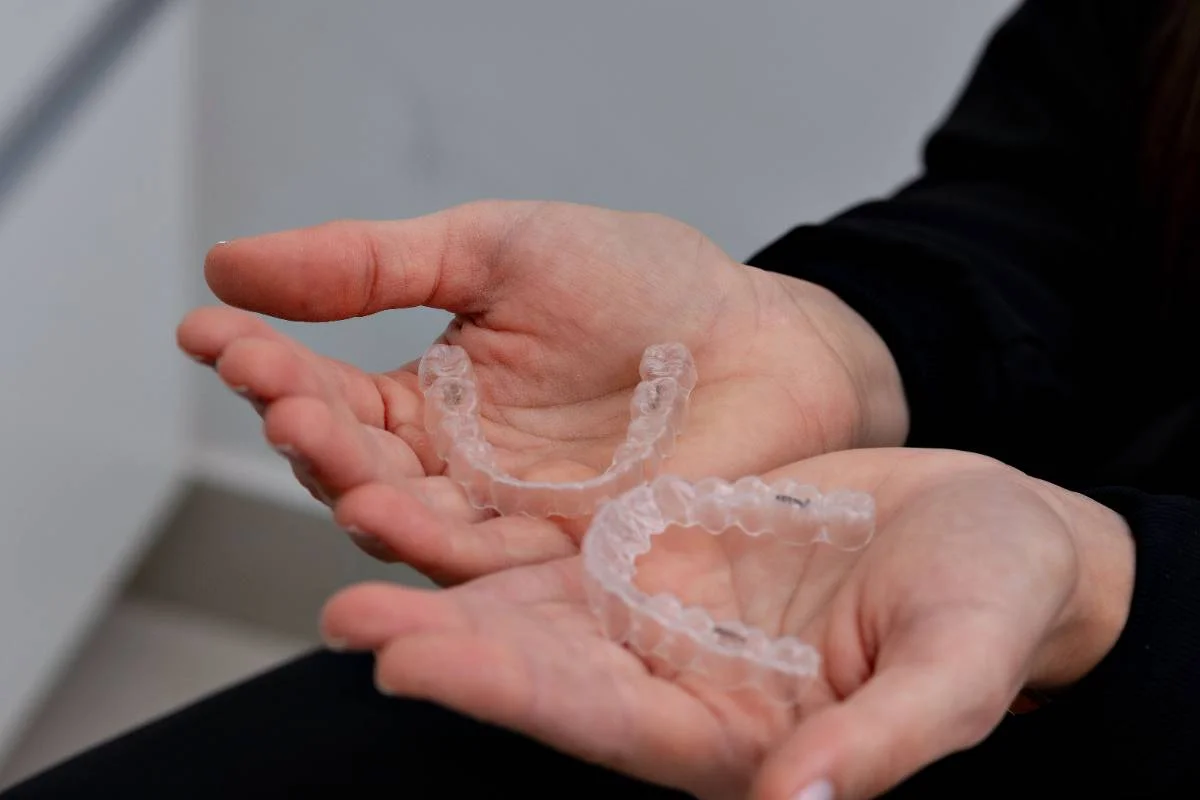
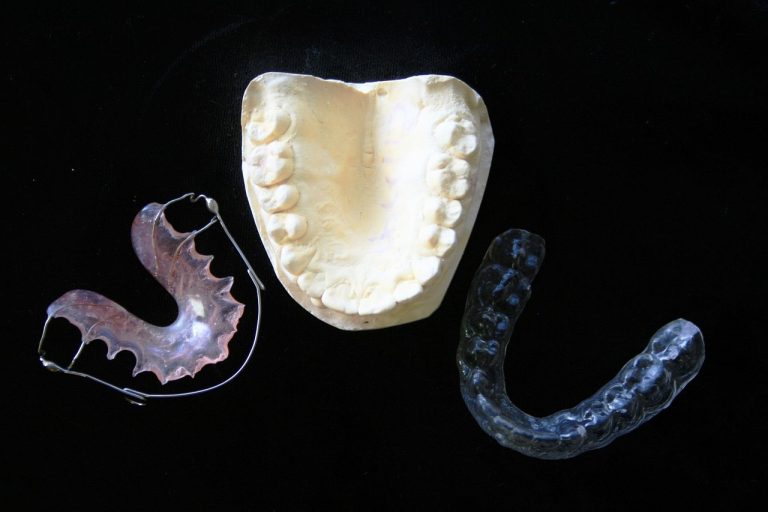
Removable retainers come out for eating and brushing. As a result, oral hygiene stays simple. The two most common designs are clear plastic retainers and Hawley retainers.
Clear (vacuum-formed) retainers
A clear retainer is a thin, transparent tray moulded to your teeth. It looks similar to an aligner, so many patients who finished clear aligner treatment find it familiar. It is nearly invisible and comfortable for most people. On the other hand, clear plastic can wear, crack or warp if you leave it in a hot car or rinse it in hot water. Also, you should take it out before drinking anything other than water.
Hawley retainers
A Hawley retainer combines an acrylic plate that rests against the roof of your mouth or behind the lower teeth with a wire across the front. It is the classic design, and it holds up well over the years. Moreover, a dentist can adjust it slightly if needed. A 2020 systematic review in International Orthodontics compared Hawley retainers with vacuum-formed retainers for maintaining tooth position and patient compliance. Still, the visible front wire bothers some adults, and it can affect speech for the first few days.
Fixed vs Removable Retainers: How to Choose
The right retainer is the one you will actually keep wearing, matched to how likely your teeth are to shift. That sounds simple. In practice, it involves a few honest questions.
First, consider your history. Severe crowding or gaps that were closed during treatment often call for a fixed wire. Second, think about your routine. If you travel often or tend to misplace things, a bonded retainer removes the risk of a lost tray. Third, look at your hygiene habits. If cleaning around a wire sounds like a chore you will skip, a removable retainer may protect your gums better.
Many dentists also recommend a dual approach: a fixed wire on the lower teeth plus a clear retainer worn at night. This combination gives a backup if the wire ever loosens. Specifically, it suits patients who want maximum security for a result they invested years in.
Getting Retainers in Toronto at The Dentistry Place
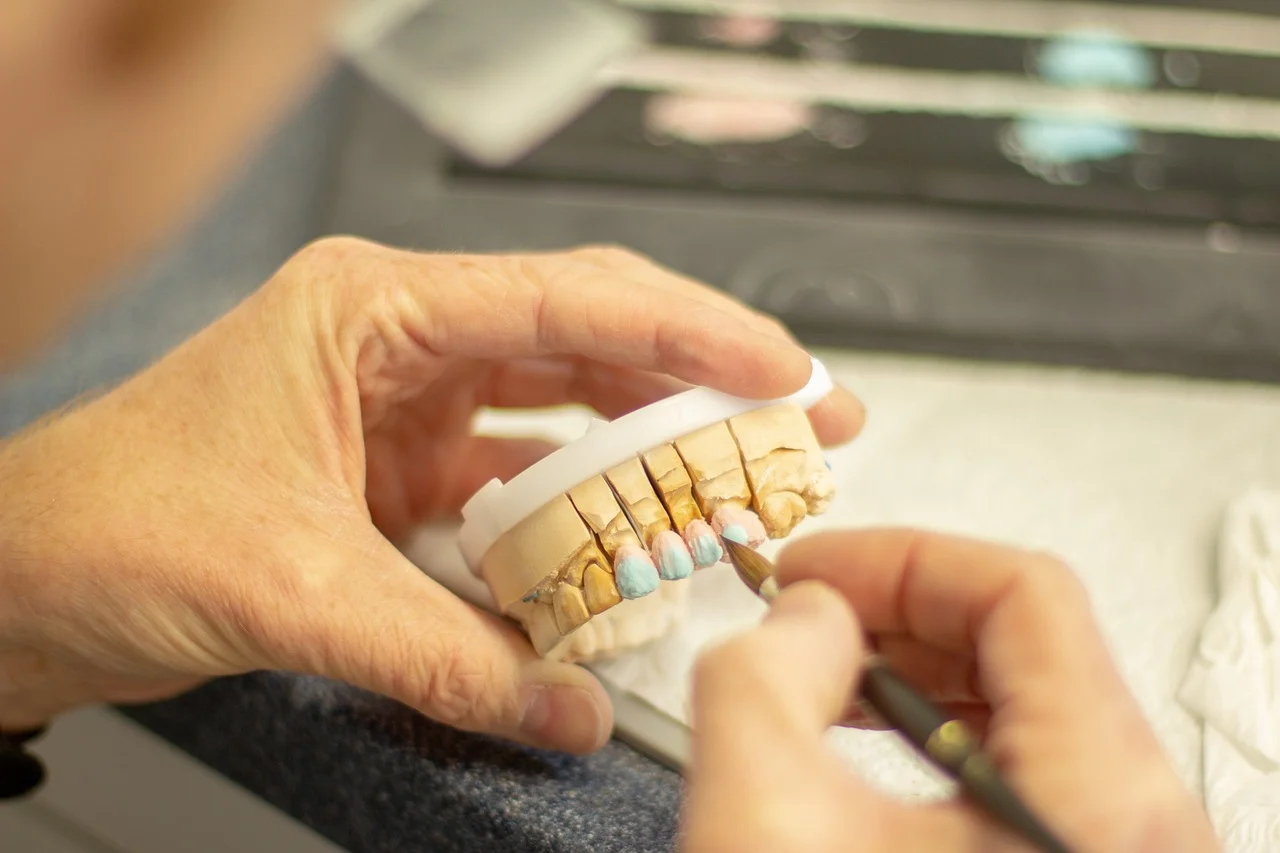
Our dental team offers orthodontic retainers in Toronto for patients finishing treatment with us and for those who completed braces or aligners elsewhere. We start with an exam and a precise impression or scan of your teeth. Then we talk through which style fits your bite, your lifestyle and your budget.
Afterward, we check the fit at follow-up visits. During longer appointments, you can even watch Netflix in the operatory. We also accept the Canadian Dental Care Plan (CDCP), which can help eligible patients with costs. Our office sits at 1033 Queen Street West, a short streetcar ride from much of downtown Toronto.
Caring for Your Retainer So It Lasts
Good care extends the life of any retainer. For removable types, brush them gently with cool water and mild soap, not toothpaste, which can scratch clear plastic. Always store them in their case. Pets, especially dogs, love chewing on retainers left on a nightstand.
For fixed wires, clean underneath daily and run your tongue along the wire now and then. If something feels loose or sharp, call us promptly. Likewise, keep your regular check-ups so we can catch small problems before your teeth move.
Frequently Asked Questions
How long do I need to wear a retainer?
Most dentists now recommend some form of retention long term. Typically, patients wear a removable retainer full time at first and then switch to nightly wear. Your dentist will set a schedule based on your case.
Can I switch from a fixed to a removable retainer later?
Yes. A dentist can remove a bonded wire and fit a removable retainer instead. However, you should have the new retainer ready before the wire comes off, so your teeth never go unsupported.
What happens if I lose or break my retainer?
Contact your dental office as soon as possible. Teeth can begin shifting within days. Meanwhile, if you have an older retainer that still fits, wear it until the replacement arrives.
Is a clear retainer the same as a clear aligner?
They look alike, but they do different jobs. An aligner moves teeth step by step, while a clear retainer holds them still in their finished position.
Book Your Retainer Consultation
Your new smile deserves protection that fits your life. Whether you lean toward a bonded wire, a clear tray or a combination, our dentists will help you weigh the options honestly. Contact The Dentistry Place or use our online booking system to schedule a visit at our Queen Street West office.
Sources & References
- Canadian Dental Association: Orthodontics
- Retention procedures for stabilising tooth position after treatment with orthodontic braces (Cochrane Database Syst Rev, 2023)
- The origin and evolution of the Hawley retainer compared to vacuum-formed retainer: A systematic review of RCTs (Int Orthod, 2020)
- Stability, survival and costs of vacuum-formed retainers versus bonded lingual wire retainers (BMC Oral Health, 2025)